Learner Assessments & Progress Tracking
Measurement backbone for reliable reading evidence and practical next actions.
Learner Assessments & Progress Tracking is our measurement backbone, designed to give schools, districts, and partners simple, reliable evidence of whether children are actually learning to read and what to do next.
In literacy improvement, good intentions are not enough. The system must answer at any point: How many learners can decode? How many are fluent? Who is stuck? What is improving? What requires urgent catch-up? The platform turns these questions into consistent data that informs instruction and proves progress over time.
Outcome we drive: schools and partners make faster, evidence-based literacy decisions with transparent progress tracking.
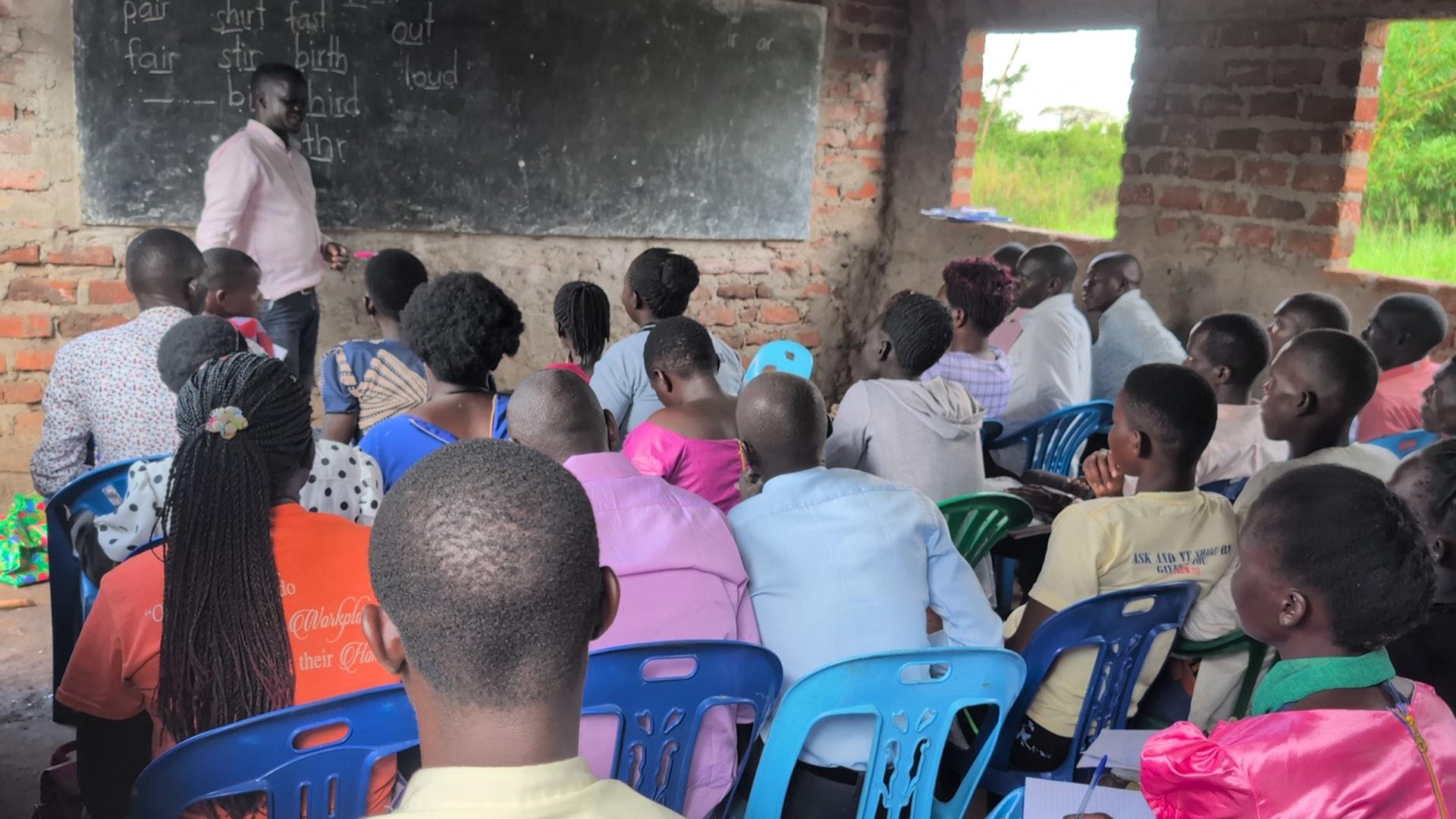
Assessment Outcomes Domains
Ozeki supports schools to run baseline, progress, and endline cycles using outcome areas aligned with EGRA-style reporting and classroom practice.
- Phonemic Awareness (i)
- Grapheme-Phoneme Correspondence (i)
- Blending & Decoding (i)
- Word Recognition & Fluency (i)
- Sentence & Paragraph Construction (i)
- Reading Comprehension (i)
Assessments are practical enough for real school conditions while structured enough to generate credible, comparable results.
Automatic Reading Levels
Each learner's scores are entered once. The platform then automatically calculates reading level bands (for example, non-reader to fluent) using standardized CWPM and related thresholds.
This removes guesswork, reduces manual errors, and ensures schools and districts are compared using the same definitions.
School-Level Profiles
Once entered, data becomes immediately actionable for teachers and school leaders:
- Proportion of non-readers, emergent, minimum benchmark, and fluent readers
- Domain-by-domain strengths and gaps
- Comprehension proficiency by class and grade
This is not data for reporting only. It directly informs what to reteach, who needs catch-up, and how to target lesson routines.
Progress Tracking by Term
Over time, schools can see whether interventions are working:
- Are non-readers reducing?
- Are more learners reaching minimum benchmark?
- Is comprehension improving alongside fluency?
The platform shows movement term by term, making school-level planning and accountability clearer.
District Dashboards
At district and regional levels, school data aggregates into dashboards that support planning and resource targeting. Partners can view coverage alongside outcomes:
- Schools assessed and sample sizes
- Assessment completeness
- Reading level distributions and domain outcomes
- Movement from baseline to endline
Data Quality Signals (sample size, completeness) strengthen credibility.
National Evidence System Result
The platform advantage is integration. Assessment data is not isolated; it is linked to teacher training attendance, coaching visits, lesson evaluation scores, and follow-up plans.
This turns assessment into a national evidence system that guides decisions, triggers early warning flags, monitors improvement across cycles, and provides transparent proof of progress.
Recommendation Logic
If teaching quality improves but learner decoding does not, the platform flags likely implementation gaps and recommends targeted catch-up interventions. If a school shows strong reading movement, recommendations shift to sustaining systems.
Voices from the classroom
Hear directly from teachers who are transforming their classrooms using Ozeki's practical phonics and coaching.
"The phonics routines have completely transformed how my learners decode words. I see progress every single day."
Madam Sarah
P.1 Teacher
"With the coaching support, I now know exactly how to correct blending errors instantly. My confidence has grown."
Mr. Daniel
P.2 Teacher
"Our school's reading levels have improved dramatically since we implemented the daily reading routines."
Madam Grace
HeadteacherLaunch an Assessment Cycle
Start a baseline-progress-endline cycle and convert results into targeted teaching, catch-up plans, and partner-ready reporting.